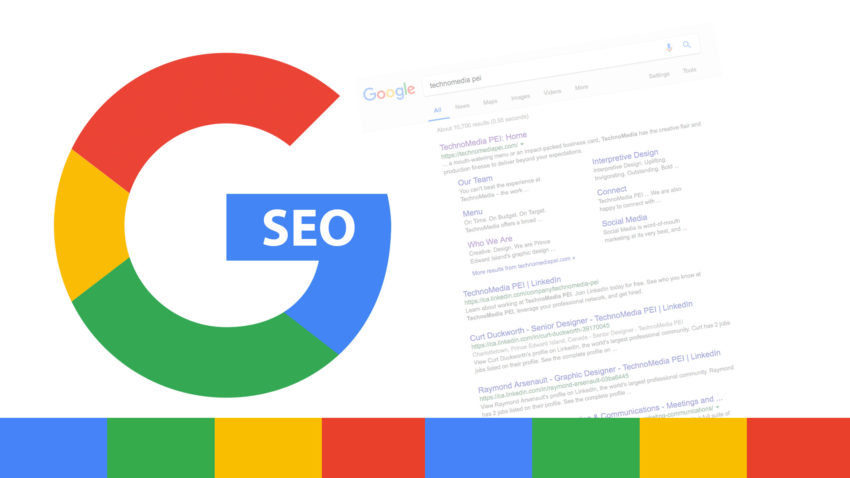

In the competitive world of eCommerce, having a visually appealing and user-friendly Shopify store is just the first step. To truly succeed, you need to ensure that your store is easily discoverable by potential customers actively searching for your products online. This is where Search Engine Optimization (SEO) comes into play. Luckily, Shopify offers a range of built-in SEO features that, when properly utilized, can significantly boost your store’s visibility in search engine results pages (SERPs) and drive organic traffic. This article will guide you through these features, providing practical tips and strategies to help you rank higher and attract more customers.
Keyword Research: Laying the Foundation for SEO Success
Before you start optimizing your Shopify store, it’s crucial to understand what keywords your target audience is using to search for products like yours. Keyword research helps you identify the most relevant and high-traffic keywords to target in your content and product listings. Here’s how to approach it:
- Brainstorming: Start by listing all the possible keywords related to your products. Think about the different ways customers might search for them.
- Using Keyword Research Tools: Tools like Google Keyword Planner, Ahrefs, SEMrush, and Moz Keyword Explorer can provide valuable insights into keyword search volume, competition, and related keywords.
- Analyzing Competitors: See what keywords your competitors are targeting. This can give you ideas for keywords you might have missed.
- Long-Tail Keywords: Focus on long-tail keywords (longer, more specific phrases) as they often have less competition and can attract highly targeted traffic. For example, instead of ‘coffee beans,’ target ‘organic fair-trade coffee beans from Colombia.’
Once you have a list of target keywords, you can start incorporating them strategically into your Shopify store.
On-Page SEO: Optimizing Your Store’s Content
On-page SEO involves optimizing the content on your Shopify store to improve its ranking in search results. Here are key elements to focus on:
- Title Tags: Each page should have a unique and compelling title tag that includes your target keyword. Keep it under 60 characters. In Shopify, you can edit the title tag in the search engine listing preview section when editing a page or product.
- Meta Descriptions: Write a concise and engaging meta description that summarizes the page’s content and encourages users to click. Aim for around 150-160 characters. This also resides in the search engine listing preview section.
- Headings (H1-H6): Use headings to structure your content and make it easier to read. Use H1 tags for the main title of the page and H2-H6 for subheadings. Incorporate keywords naturally into your headings.
- Product Descriptions: Write detailed and unique product descriptions that highlight the benefits of your products. Avoid using manufacturer’s descriptions, as these are often duplicated across multiple sites. Include your target keywords naturally.
- Image Optimization: Optimize your images by using descriptive file names (e.g., ‘red-leather-jacket.jpg’ instead of ‘IMG_1234.jpg’) and adding alt text that describes the image. Alt text is important for accessibility and helps search engines understand the content of the image. Shopify allows you to easily add alt text when uploading images.
- URL Structure: Use clean and descriptive URLs that include your target keywords (e.g., ‘yourstore.com/red-leather-jacket’). Shopify generally creates SEO-friendly URLs automatically based on your product titles.
- Internal Linking: Link to other relevant pages within your Shopify store to improve navigation and help search engines understand the structure of your site. For example, you might link from a product page to a related blog post or another product page.
Technical SEO: Ensuring Your Store is Crawlable and Indexable
Technical SEO focuses on optimizing the technical aspects of your Shopify store to make it easier for search engines to crawl and index your site. Here are some key areas to consider:
- Mobile-Friendliness: Ensure your Shopify theme is mobile-responsive. Google prioritizes mobile-friendly websites in its search results. Most modern Shopify themes are responsive by default, but you should test your store on different devices to ensure a good user experience.
- Site Speed: Optimize your store’s loading speed. Slow-loading sites can negatively impact your search ranking and user experience. Optimize images, minimize HTTP requests, and use a content delivery network (CDN) to improve site speed.
- Sitemap: Submit a sitemap to Google Search Console to help Google crawl and index your store’s pages. Shopify automatically generates a sitemap for your store, which can be found at
yourstore.com/sitemap.xml. - Robots.txt: Use a robots.txt file to control which pages search engines can crawl. This can be useful for preventing search engines from indexing duplicate content or sensitive pages. Shopify automatically creates a robots.txt file for your store, but you can customize it if needed.
- Structured Data Markup: Implement structured data markup (Schema.org) to provide search engines with more information about your products and content. This can help your store appear in rich snippets in search results, which can improve click-through rates. There are several Shopify apps available that can help you implement structured data markup.
- SSL Certificate: Ensure your Shopify store has an SSL certificate to secure your website and protect customer data. Shopify provides a free SSL certificate for all stores.
Shopify SEO Apps: Expanding Your Capabilities
While Shopify’s built-in features provide a solid foundation for SEO, you can further enhance your efforts by using third-party SEO apps. Some popular Shopify SEO apps include:
- SEO Manager: Offers a comprehensive suite of SEO tools, including keyword tracking, meta tag optimization, and sitemap management.
- Plug in SEO: Checks your store for common SEO issues and provides actionable recommendations for improvement.
- Crush.pics: Optimizes your images for faster loading speeds and improved SEO.
- Smart SEO: Automates many SEO tasks, such as alt text generation and meta tag optimization.
Consider exploring these apps to see if they can help you streamline your SEO efforts and achieve better results.
By effectively utilizing Shopify’s built-in SEO features and leveraging the power of keyword research, on-page optimization, and technical SEO, you can significantly improve your store’s visibility in search results and drive more organic traffic. Remember to regularly monitor your store’s performance in Google Search Console and Analytics to identify areas for improvement and track your progress. Consistent effort and a data-driven approach will help you achieve long-term SEO success and grow your Shopify business.

 By
By
 By
By