
=
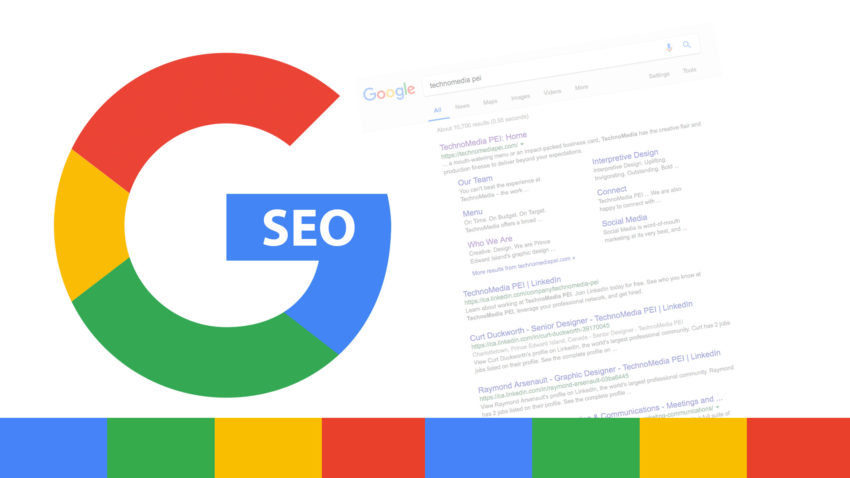
In the bustling world of e-commerce, having a stunning Shopify store is only half the battle. To truly thrive, you need to ensure that your store is easily discoverable by potential customers. This is where Shopify SEO (Search Engine Optimization) comes into play. Shopify SEO is the art and science of optimizing your online store to rank higher in search engine results, driving more organic traffic and ultimately boosting your sales.
This comprehensive guide will walk you through everything you need to know to master Shopify SEO. From foundational keyword research to advanced technical optimizations, we’ll cover the essential strategies to help you climb the search engine rankings and attract a flood of new customers to your Shopify store.
Understanding the Fundamentals of Shopify SEO
Before diving into the nitty-gritty, let’s establish a solid understanding of what Shopify SEO entails. At its core, SEO is about making your website more appealing to search engines like Google, Bing, and Yahoo. When search engines crawl your site and find it relevant and user-friendly, they’re more likely to rank it higher in search results.
For Shopify stores, this means optimizing various aspects of your store, including:
- Keyword Research: Identifying the terms and phrases your target customers are searching for.
- On-Page SEO: Optimizing individual pages (product pages, blog posts, etc.) with relevant keywords, compelling titles, and meta descriptions.
- Technical SEO: Ensuring your store is technically sound, with a clean site structure, fast loading speeds, and mobile-friendliness.
- Off-Page SEO: Building your store’s authority and reputation through link building and social media engagement.
Ignoring even one of these pillars can severely impact your visibility and potentially leave money on the table. Remember, SEO is a continuous effort, not a one-time fix.
Keyword Research: The Foundation of Shopify SEO
Effective keyword research is the cornerstone of any successful SEO strategy. It involves identifying the search terms your target audience uses to find products or services like yours. By targeting these keywords in your website content, you can increase your chances of appearing in relevant search results.
Here’s how to conduct effective keyword research for your Shopify store:
- Brainstorm: Start by listing all the possible keywords related to your products. Think about the different ways customers might search for what you offer.
- Use Keyword Research Tools: Leverage tools like Google Keyword Planner, Ahrefs, SEMrush, or Moz Keyword Explorer to uncover high-volume, low-competition keywords.
- Analyze Competitors: See what keywords your competitors are ranking for. This can provide valuable insights and uncover new opportunities.
- Consider Long-Tail Keywords: These are longer, more specific phrases that often have lower search volume but higher conversion rates. For example, instead of ‘running shoes,’ target ‘men’s lightweight running shoes for marathon training.’
Once you’ve compiled a list of relevant keywords, prioritize them based on search volume, competition, and relevance to your products. Integrate these keywords strategically into your product titles, descriptions, meta descriptions, and other website content.
On-Page SEO: Optimizing Your Shopify Store’s Content
On-page SEO refers to the practice of optimizing individual web pages to rank higher and earn more relevant traffic in search engines. It’s about making sure each page on your Shopify store is as search engine-friendly as possible.
Here are key on-page SEO elements to optimize:
- Title Tags: Craft compelling title tags that include your primary keyword and accurately reflect the content of the page. Keep them under 60 characters.
- Meta Descriptions: Write concise and enticing meta descriptions (around 160 characters) that summarize the page’s content and entice users to click.
- Header Tags (H1-H6): Use header tags strategically to structure your content and highlight important keywords. The
<H1>tag should be reserved for the main title of the page. - Image Alt Text: Add descriptive alt text to all images, including relevant keywords. This helps search engines understand the content of your images and improve accessibility.
- URL Structure: Create clean, SEO-friendly URLs that include relevant keywords. For example,
yourstore.com/product/running-shoesis better thanyourstore.com/product?id=123. - Internal Linking: Link to other relevant pages within your store. This helps search engines crawl and understand your website’s structure.
Pay special attention to your product pages, as they are the primary drivers of sales. Ensure each product page has a unique title, description, and set of images optimized for relevant keywords.
Technical SEO: Ensuring a Smooth User Experience
Technical SEO focuses on optimizing the technical aspects of your website to improve its crawlability, indexability, and overall user experience. A technically sound Shopify store is essential for ranking well in search engines.
Key technical SEO considerations for Shopify include:
- Site Speed: Optimize your website’s loading speed by compressing images, leveraging browser caching, and using a content delivery network (CDN).
- Mobile-Friendliness: Ensure your Shopify store is fully responsive and provides a seamless experience on all devices.
- Site Structure: Create a clear and logical site structure that makes it easy for search engines and users to navigate.
- XML Sitemap: Submit an XML sitemap to search engines to help them discover and index your website’s pages.
- Robots.txt: Use a robots.txt file to control which pages search engines can crawl.
- SSL Certificate: Ensure your store has a valid SSL certificate (HTTPS) to protect user data and improve security.
Shopify is generally well-optimized for technical SEO out of the box, but it’s crucial to regularly monitor your site’s performance and address any issues that arise.
Off-Page SEO: Building Authority and Reputation
Off-page SEO encompasses all the activities you undertake outside of your website to improve its search engine rankings. It’s about building your store’s authority and reputation in the eyes of search engines.
Key off-page SEO strategies include:
- Link Building: Earn high-quality backlinks from other reputable websites in your industry. This signals to search engines that your store is a trusted source of information.
- Social Media Marketing: Engage with your target audience on social media platforms to build brand awareness and drive traffic to your store.
- Content Marketing: Create valuable and informative content that attracts links and shares. This can include blog posts, infographics, videos, and other types of content.
- Online Reputation Management: Monitor and manage your online reputation to ensure that your store is perceived positively.
- Influencer Marketing: Partner with influencers in your niche to promote your products and reach a wider audience.
Building a strong off-page SEO profile takes time and effort, but it’s essential for long-term success in search engine rankings.
Shopify SEO is an ongoing process that requires dedication, effort, and a willingness to adapt to changes in the search engine landscape. By implementing the strategies outlined in this guide, you can significantly improve your store’s visibility, drive more organic traffic, and ultimately increase your sales. Remember to stay informed about the latest SEO best practices and continuously monitor your store’s performance to ensure you’re on the right track. With a strategic approach and a commitment to excellence, you can unlock the full potential of Shopify SEO and achieve remarkable results.

 By
By
 By
By