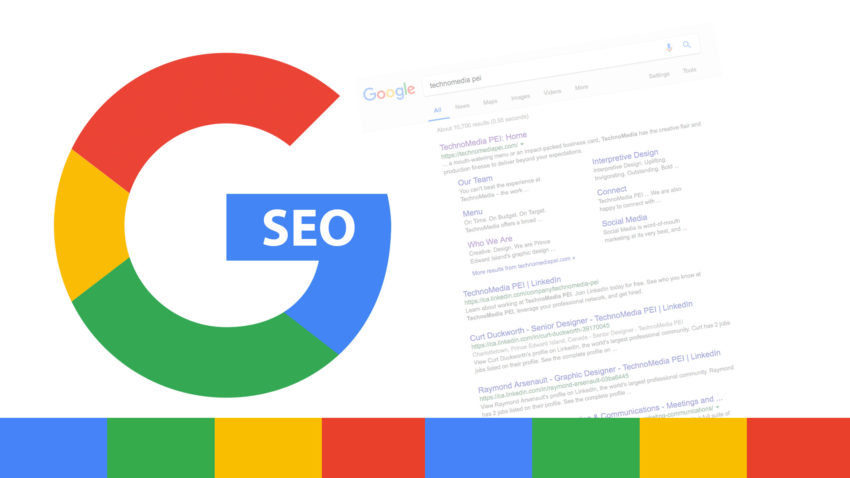

In today’s competitive online marketplace, having a well-optimized Shopify store is crucial for attracting customers and driving sales. Search engine optimization (SEO) is the process of improving your website’s visibility in search engine results pages (SERPs), such as Google, Bing, and Yahoo. By implementing effective SEO strategies, you can increase organic traffic to your Shopify store, leading to higher conversions and revenue. This comprehensive guide will walk you through the key aspects of Shopify SEO, providing actionable tips and techniques to help you rank higher in search results.
Keyword Research for Shopify
Keyword research is the foundation of any successful SEO strategy. It involves identifying the terms and phrases that your target audience uses when searching for products or services similar to yours. By targeting the right keywords, you can attract qualified traffic to your Shopify store.
Here’s how to conduct keyword research for Shopify:
- Brainstorm relevant keywords: Start by listing all the possible keywords related to your products, services, and niche. Think about what your customers would type into a search engine to find what you offer.
- Use keyword research tools: Utilize tools like Google Keyword Planner, SEMrush, Ahrefs, and Moz Keyword Explorer to discover high-volume, low-competition keywords. These tools provide valuable data on search volume, keyword difficulty, and related keywords.
- Analyze competitor keywords: Identify your top competitors and analyze the keywords they are targeting. This can give you insights into potential keywords you may have overlooked.
- Focus on long-tail keywords: Long-tail keywords are longer, more specific phrases that target a niche audience. While they may have lower search volume, they often have higher conversion rates because they target users with a specific intent. Example: instead of ‘coffee beans’, target ‘organic fair trade coffee beans from Guatemala’.
- Consider keyword intent: Understand the intent behind each keyword. Are users looking to buy, research, or find information? Tailor your content to match the intent of the keyword.
Once you have a list of target keywords, prioritize them based on their relevance, search volume, and competition. Incorporate these keywords naturally into your product descriptions, page titles, meta descriptions, and other on-page elements.
On-Page SEO for Shopify
On-page SEO refers to the practice of optimizing individual web pages to rank higher in search results and attract more relevant traffic. It involves optimizing various elements of your Shopify store, including page titles, meta descriptions, headings, content, and images.
Key on-page SEO elements for Shopify:
- Page Titles: Craft compelling and keyword-rich page titles that accurately reflect the content of the page. Keep titles under 60 characters to avoid truncation in search results.
- Meta Descriptions: Write unique and engaging meta descriptions that entice users to click on your search result. Include relevant keywords and a call to action. Keep descriptions under 160 characters.
- Headings (H1-H6): Use headings to structure your content and make it easier for search engines and users to understand. Use your target keywords in your headings where appropriate. Ensure each page only has one H1 tag.
- Content Optimization: Create high-quality, original, and informative content that satisfies user intent. Incorporate your target keywords naturally throughout the content. Break up large blocks of text with headings, subheadings, bullet points, and images.
- Image Optimization: Optimize your images by using descriptive file names and alt text. Alt text provides context for search engines and screen readers. Compress images to reduce file size and improve page load speed.
- Internal Linking: Link to other relevant pages within your Shopify store. Internal linking helps search engines understand the structure of your website and distribute link juice.
By optimizing these on-page elements, you can improve your Shopify store’s visibility in search results and attract more qualified traffic.
Technical SEO for Shopify
Technical SEO focuses on optimizing the technical aspects of your website to improve its crawlability, indexability, and user experience. A technically sound website is easier for search engines to crawl and index, leading to better rankings.
Key technical SEO considerations for Shopify:
- Site Speed: Optimize your Shopify store for speed. Use a fast theme, optimize images, leverage browser caching, and minimize HTTP requests. Use Google’s PageSpeed Insights to identify areas for improvement.
- Mobile-Friendliness: Ensure your Shopify store is mobile-friendly. Most users now browse the web on mobile devices, so having a responsive design is essential. Use Google’s Mobile-Friendly Test to check your store’s mobile-friendliness.
- XML Sitemap: Submit an XML sitemap to Google Search Console to help search engines discover and index your website’s pages. Shopify automatically generates a sitemap, typically found at yourdomain.com/sitemap.xml.
- Robots.txt File: Use a robots.txt file to control which pages search engines can crawl and index. This helps prevent search engines from crawling duplicate or sensitive content.
- Structured Data Markup: Implement structured data markup (schema markup) to provide search engines with more information about your content. This can enhance your search results with rich snippets, such as product reviews, pricing, and availability.
- HTTPS: Ensure your Shopify store is using HTTPS (SSL certificate) to provide a secure browsing experience for your customers.
- Clean URL Structure: Use a clear and concise URL structure. Include relevant keywords in your URLs where appropriate.
Addressing these technical SEO factors can significantly improve your Shopify store’s search engine ranking and user experience.
Link Building for Shopify
Link building is the process of acquiring backlinks from other websites to your Shopify store. Backlinks are a crucial ranking factor, as they signal to search engines that your website is authoritative and trustworthy.
Effective link building strategies for Shopify:
- Create High-Quality Content: Develop valuable and informative content that other websites will want to link to. This could include blog posts, guides, infographics, and videos.
- Guest Blogging: Write guest posts for other websites in your niche, including a link back to your Shopify store in your author bio or within the content.
- Broken Link Building: Find broken links on other websites and offer to replace them with a link to your relevant content.
- Competitor Backlink Analysis: Analyze your competitors’ backlink profiles to identify potential link opportunities. Use tools like Ahrefs or SEMrush to see where they are getting their backlinks.
- Reach Out to Influencers: Partner with influencers in your niche and ask them to link to your Shopify store or promote your products.
- Participate in Industry Forums and Communities: Engage in relevant online forums and communities and share links to your Shopify store when appropriate.
Focus on acquiring high-quality backlinks from reputable websites. Avoid engaging in black-hat link building tactics, such as buying links, as these can harm your search engine ranking.
By implementing these Shopify SEO strategies, you can significantly improve your store’s visibility in search results, attract more organic traffic, and drive sales. Remember that SEO is an ongoing process, so it’s important to continuously monitor your performance, adapt your strategies, and stay up-to-date with the latest SEO best practices. With dedication and consistent effort, you can achieve top rankings and establish your Shopify store as a leader in your niche.

 By
By
 By
By