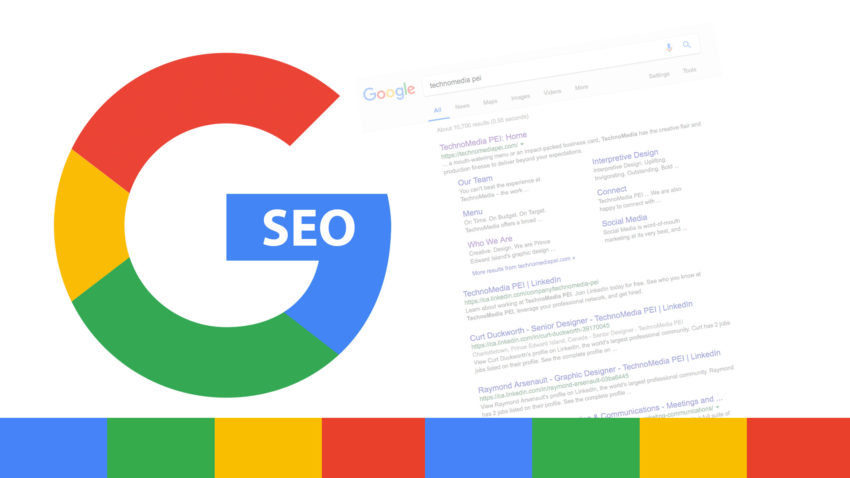

In today’s competitive e-commerce landscape, simply having a Shopify store isn’t enough. To truly thrive, you need to ensure your store is easily discoverable by potential customers. That’s where Shopify SEO comes in. Search Engine Optimization (SEO) is the process of optimizing your website to rank higher in search engine results pages (SERPs) like Google, Bing, and Yahoo. This comprehensive guide will provide you with actionable strategies to boost your Shopify store’s visibility and drive organic traffic, ultimately leading to increased sales and revenue.
Keyword Research: Finding the Right Terms
Keyword research is the foundation of any successful SEO strategy. It involves identifying the terms and phrases your target audience uses when searching for products like yours. By targeting these keywords in your store’s content, you can improve your chances of ranking higher for relevant searches.
How to Conduct Keyword Research for Shopify:
- Brainstorm: Start by brainstorming a list of potential keywords related to your products. Think about different variations, synonyms, and long-tail keywords (longer, more specific phrases).
- Use Keyword Research Tools: Utilize tools like Google Keyword Planner, Ahrefs, SEMrush, or Moz Keyword Explorer to discover keyword volume, competition, and related keywords.
- Analyze Competitors: Research what keywords your competitors are targeting. This can provide valuable insights and help you identify untapped opportunities.
- Consider Search Intent: Understand the user’s intent behind each keyword. Are they looking to buy something, research a product, or find information? Target keywords that align with the products you offer.
Types of Keywords:
- Head Keywords: Short, generic keywords with high search volume (e.g., ‘shoes’).
- Body Keywords: More specific keywords (e.g., ‘running shoes’).
- Long-Tail Keywords: Highly specific, longer phrases with lower search volume but higher conversion rates (e.g., ‘best running shoes for flat feet’).
On-Page Optimization: Optimizing Your Shopify Store’s Content
On-page optimization involves optimizing the content and HTML source code of your Shopify store to make it more search engine friendly. This includes optimizing your product pages, collection pages, blog posts, and other important pages.
Key On-Page Optimization Strategies:
- Title Tags: Craft compelling and keyword-rich title tags for each page. Keep them under 60 characters to avoid truncation in search results.
- Meta Descriptions: Write concise and engaging meta descriptions that summarize the page’s content and encourage users to click. Keep them under 160 characters.
- Header Tags (H1-H6): Use header tags to structure your content logically and highlight important keywords. Use only one H1 tag per page, typically for the page title.
- URL Structure: Create clean, SEO-friendly URLs that include relevant keywords. Avoid using special characters or numbers. For example, use ‘yourstore.com/running-shoes’ instead of ‘yourstore.com/product?id=123’.
- Image Optimization: Optimize your product images for search engines by using descriptive file names (e.g., ‘red-running-shoes.jpg’), alt text (describing the image), and compressing the images to reduce file size.
- Content Quality: Create high-quality, informative, and engaging content that provides value to your customers. Avoid duplicate content and keyword stuffing.
- Internal Linking: Link to other relevant pages within your store to improve navigation and distribute link equity.
Technical SEO: Ensuring a Solid Foundation
Technical SEO focuses on optimizing the technical aspects of your Shopify store to make it easier for search engines to crawl, index, and understand your website. This includes improving site speed, mobile-friendliness, and website structure.
Essential Technical SEO Elements for Shopify:
- Site Speed: Optimize your store’s loading speed by compressing images, using a CDN (Content Delivery Network), and minimizing code.
- Mobile-Friendliness: Ensure your Shopify theme is responsive and provides a seamless mobile experience. Mobile-first indexing is a reality, so this is critical.
- XML Sitemap: Submit an XML sitemap to Google Search Console to help search engines discover and index your pages. Shopify automatically generates a sitemap; you just need to submit it.
- Robots.txt File: Use a robots.txt file to instruct search engines which pages to crawl and which to ignore.
- Structured Data Markup: Implement schema markup (structured data) to provide search engines with more information about your products, services, and content.
- SSL Certificate: Ensure your store has an SSL certificate (HTTPS) to encrypt data and provide a secure browsing experience for your customers.
- Canonical Tags: Use canonical tags to specify the preferred version of a page to avoid duplicate content issues.
Link Building: Earning Authority and Trust
Link building is the process of acquiring backlinks (links from other websites) to your Shopify store. Backlinks are a crucial ranking factor, as they signal to search engines that your website is a trusted and authoritative source of information.
Effective Link Building Strategies:
- Create High-Quality Content: Produce valuable and shareable content that other websites will naturally want to link to. This could include blog posts, infographics, videos, or case studies.
- Guest Blogging: Write guest posts for relevant websites in your niche and include a link back to your Shopify store.
- Broken Link Building: Find broken links on other websites and offer to replace them with a link to your content.
- Competitor Analysis: Analyze your competitors’ backlink profiles to identify potential link building opportunities.
- Directory Submissions: Submit your store to relevant online directories.
- Social Media Promotion: Promote your content on social media to increase its visibility and attract backlinks.
Important Considerations:
Focus on acquiring high-quality backlinks from authoritative and relevant websites. Avoid low-quality or spammy backlinks, as they can harm your search engine rankings.
Optimizing your Shopify store for SEO is an ongoing process that requires continuous effort and monitoring. By implementing the strategies outlined in this guide, you can improve your store’s visibility, drive organic traffic, and ultimately boost your sales. Remember to track your results, analyze your data, and adapt your strategy as needed to stay ahead of the competition. Shopify SEO is a powerful tool that, when used effectively, can transform your online business. Good luck!

 By
By
 By
By