

In the ever-evolving world of e-commerce, simply targeting the right keywords for your Shopify store isn’t enough to guarantee top search engine rankings. While keyword research remains crucial, Google’s algorithms are increasingly prioritizing user experience (UX) and a well-structured website. This means that focusing on these elements is paramount to achieving sustainable SEO success. This article delves into how you can optimize your Shopify store’s UX and site architecture to improve your search engine rankings and drive more organic traffic.
Why User Experience Matters for Shopify SEO
Google’s primary goal is to provide users with the best possible search results. This means websites that offer a seamless, engaging, and informative experience are favored. Here’s how UX impacts your Shopify SEO:
- Bounce Rate: A high bounce rate (users leaving your site after viewing only one page) signals to Google that your website isn’t meeting user needs. Improving UX, such as page load speed and clear navigation, can reduce bounce rates.
- Time on Page: The longer users spend on your site, the more valuable Google perceives it to be. Engaging content, intuitive design, and easy-to-find information contribute to increased time on page.
- Page Views per Session: Encouraging users to explore multiple pages on your site demonstrates that you offer a wealth of valuable information. This can be achieved through internal linking and related product recommendations.
- Mobile-Friendliness: With the majority of online shoppers using mobile devices, a mobile-friendly website is no longer optional. Google prioritizes mobile-first indexing, meaning the mobile version of your site is the primary version used for ranking.
Optimizing Your Shopify Store’s User Experience
Here are actionable steps you can take to enhance the user experience on your Shopify store:
- Website Speed Optimization: Page load speed is a critical ranking factor. Optimize images, leverage browser caching, and choose a fast Shopify theme. Use Google’s PageSpeed Insights to identify and address speed bottlenecks.
- Mobile Optimization: Ensure your Shopify theme is fully responsive and provides a seamless experience on all devices. Test your website on various screen sizes and resolutions.
- Clear Navigation: Make it easy for users to find what they’re looking for. Implement a clear and intuitive navigation menu, use breadcrumbs, and provide a search bar.
- High-Quality Product Images and Videos: Visuals are crucial for online shoppers. Use high-resolution images and videos that showcase your products from multiple angles.
- Compelling Product Descriptions: Write detailed and engaging product descriptions that highlight the benefits and features of your products.
- Easy Checkout Process: Streamline the checkout process to minimize friction. Offer multiple payment options, provide clear instructions, and avoid unnecessary form fields.
- Excellent Customer Support: Provide prompt and helpful customer support through live chat, email, or phone. Address customer inquiries and concerns quickly and efficiently.
The Importance of Site Architecture for SEO
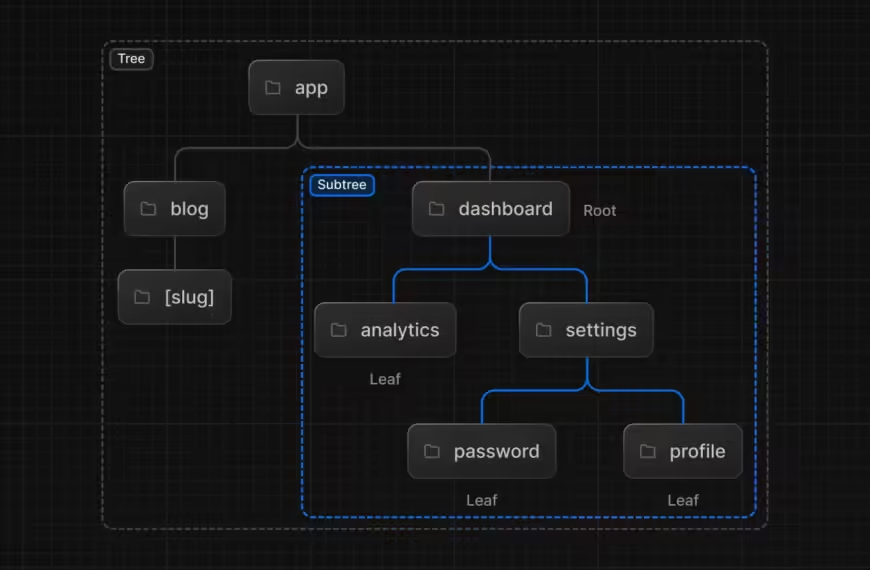
Your website’s architecture refers to how your pages are organized and linked together. A well-structured website is easier for search engines to crawl and index, which can lead to improved rankings. Here’s why site architecture is important:
- Crawlability: Search engine bots need to be able to easily crawl your website to discover and index your content. A clear and logical site architecture makes it easier for them to do so.
- Indexability: Once search engines have crawled your website, they need to be able to index your pages. A well-structured website ensures that all of your important pages are indexed.
- Site Authority: Internal linking within your site helps distribute link juice and authority to important pages. This can improve their rankings.
- User Navigation: A well-organized website makes it easier for users to find what they’re looking for, which can improve engagement and reduce bounce rates.
Optimizing Your Shopify Site Architecture
Here are some tips for optimizing your Shopify store’s site architecture:
- Plan Your Site Structure: Before you start building your website, take the time to plan your site structure. Create a logical hierarchy of pages that makes sense for your business and your customers.
- Use a Flat Site Architecture: Aim for a flat site architecture, where all of your important pages are only a few clicks away from the homepage. This makes it easier for search engines to crawl and index your content.
- Implement Internal Linking: Use internal links to connect related pages on your website. This helps distribute link juice and authority, and it also makes it easier for users to navigate your site.
- Create a Sitemap: Submit a sitemap to Google Search Console. This helps search engines understand the structure of your website and index your pages more efficiently.
- Use Descriptive URLs: Use descriptive URLs that include relevant keywords. This helps search engines understand the content of your pages.
- Optimize Your Category Pages: Optimize your category pages with relevant keywords and engaging content. These pages are often important landing pages for search traffic.
While keyword optimization is a vital component of Shopify SEO, focusing on user experience and site architecture is equally, if not more, critical for long-term success. By prioritizing these elements, you can create a website that not only ranks higher in search results but also provides a better experience for your customers, leading to increased conversions and customer loyalty. Remember to consistently monitor your website’s performance using tools like Google Analytics and Google Search Console to identify areas for improvement and adapt your strategy as needed.

 By
By
 By
By