
In today’s competitive eCommerce landscape, ranking higher on Google is crucial for driving organic traffic and increasing sales. Shopify, while a powerful platform, requires strategic SEO efforts to maximize its potential. This comprehensive guide will walk you through the essential steps to master Shopify SEO and achieve higher rankings on Google, ultimately boosting your store’s visibility and profitability.
Understanding the Basics of Shopify SEO
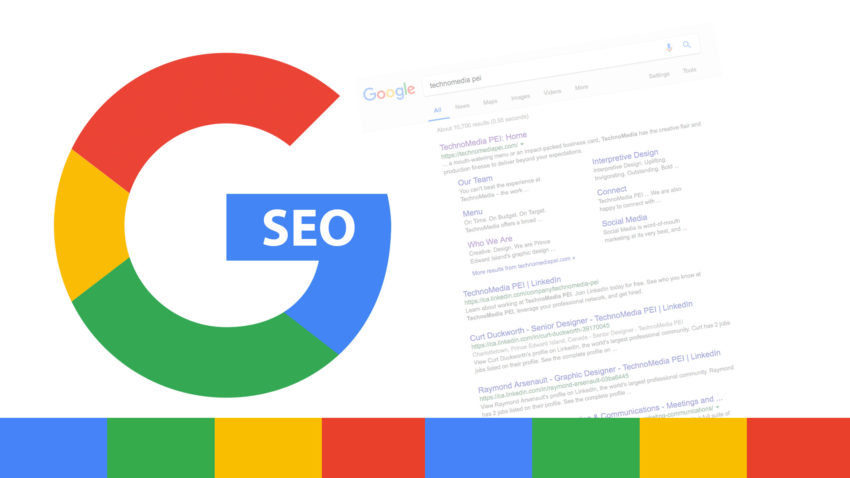
Search Engine Optimization (SEO) is the practice of optimizing your website to rank higher in search engine results pages (SERPs). For Shopify store owners, this means making your store more visible to potential customers searching for your products or services on Google. A strong Shopify SEO strategy involves optimizing various aspects of your store, including keyword research, on-page optimization, technical SEO, and content marketing. By implementing these strategies effectively, you can improve your store’s visibility, attract more organic traffic, and ultimately increase sales.
Why is SEO so important for your Shopify store? Because it’s a cost-effective way to attract qualified leads who are actively searching for what you offer. Unlike paid advertising, organic traffic from search engines is ‘free’ in the sense that you don’t pay per click. It requires ongoing effort and optimization, but the long-term benefits of improved search rankings can be significant.
Keyword Research: Finding the Right Terms for Your Products
Keyword research is the foundation of any successful SEO strategy. It involves identifying the terms and phrases that your target audience uses when searching for products like yours on Google. These keywords will inform your content strategy, on-page optimization, and link-building efforts. Here’s how to conduct effective keyword research for your Shopify store:
- Brainstorming: Start by listing all the potential keywords related to your products. Think about what your customers would type into Google to find what you’re selling. Consider variations, synonyms, and long-tail keywords (longer, more specific phrases).
- Using Keyword Research Tools: Utilize tools like Google Keyword Planner, SEMrush, Ahrefs, and Moz Keyword Explorer to analyze the search volume, competition, and related keywords. These tools can provide valuable insights into the keywords that are most likely to drive traffic and conversions.
- Analyzing Competitors: Examine your competitors’ websites to identify the keywords they are targeting. Look for keywords that you may have missed during your initial brainstorming session.
- Focusing on Long-Tail Keywords: Long-tail keywords are longer, more specific phrases that have lower search volume but higher conversion rates. Targeting these keywords can help you attract a more qualified audience and improve your store’s ranking for niche searches.
- Consider User Intent: Think about what users are trying to achieve when they search for specific keywords. Are they looking to buy a product, research a topic, or find a specific piece of information? Tailor your content to match the user’s intent.
On-Page SEO: Optimizing Your Product Pages and Content
On-page SEO involves optimizing the content and HTML source code of your Shopify store to improve its visibility in search engine results. This includes optimizing your product pages, blog posts, and other important content. Here are some key on-page SEO factors to consider:
- Title Tags: Optimize your title tags with relevant keywords. Keep them concise and compelling, and include your primary keyword near the beginning.
- Meta Descriptions: Write compelling meta descriptions that accurately describe the content of your pages. Include a call to action to encourage users to click through to your site.
- Header Tags (H1-H6): Use header tags to structure your content and highlight important keywords. The H1 tag should contain your primary keyword and accurately describe the topic of the page.
- Image Optimization: Optimize your images by using descriptive file names and alt text. This helps search engines understand the content of your images and improve your store’s accessibility.
- Content Optimization: Create high-quality, original content that is relevant to your target audience. Use keywords naturally throughout your content, but avoid keyword stuffing.
- Internal Linking: Link to other relevant pages on your Shopify store to improve its internal navigation and help search engines understand the relationships between your content.
- URL Structure: Create clean, descriptive URLs that are easy for users and search engines to understand. Include your primary keyword in the URL, if possible.
Technical SEO: Ensuring Your Shopify Store is Search Engine Friendly
Technical SEO involves optimizing the technical aspects of your Shopify store to ensure that it is easily crawled and indexed by search engines. This includes factors such as site speed, mobile-friendliness, and site architecture. Here are some key technical SEO considerations for Shopify stores:
- Site Speed: Optimize your store’s loading speed by compressing images, minimizing HTTP requests, and using a content delivery network (CDN). Slow loading times can negatively impact your store’s ranking and user experience.
- Mobile-Friendliness: Ensure that your Shopify store is mobile-friendly and responsive. Google prioritizes mobile-friendly websites in its search results.
- Site Architecture: Create a clear and logical site architecture that is easy for users and search engines to navigate. Use a flat site structure with a limited number of clicks required to reach any page.
- XML Sitemap: Submit an XML sitemap to Google Search Console to help search engines discover and index your store’s pages.
- Robots.txt File: Use a robots.txt file to control which pages search engines can crawl and index.
- HTTPS: Ensure that your Shopify store is secured with HTTPS. This is a ranking factor and protects your customers’ data.
- Structured Data Markup: Implement structured data markup to provide search engines with more information about your store’s content. This can help your store appear in rich snippets in search results.
Building High-Quality Backlinks to Your Shopify Store
Backlinks are links from other websites to your Shopify store. They are a crucial ranking factor for Google and other search engines. High-quality backlinks from reputable websites can significantly improve your store’s authority and visibility. Here are some effective strategies for building backlinks to your Shopify store:
- Guest Blogging: Write guest posts for other websites in your industry and include a link back to your Shopify store in your author bio or within the content.
- Broken Link Building: Find broken links on other websites and offer to replace them with a link to a relevant page on your store.
- Resource Page Link Building: Identify resource pages on other websites that are relevant to your products or services and suggest your store as a valuable resource.
- Competitor Backlink Analysis: Analyze your competitors’ backlink profiles to identify potential link-building opportunities.
- Creating High-Quality Content: Create valuable, informative, and shareable content that other websites will naturally link to.
Mastering Shopify SEO is an ongoing process that requires continuous effort and adaptation. By implementing the strategies outlined in this guide, you can significantly improve your store’s visibility, attract more organic traffic, and ultimately increase sales. Remember to stay up-to-date with the latest SEO best practices and algorithm updates to maintain your store’s competitive edge in the ever-evolving eCommerce landscape. Good luck, and happy optimizing!

 By
By
 By
By