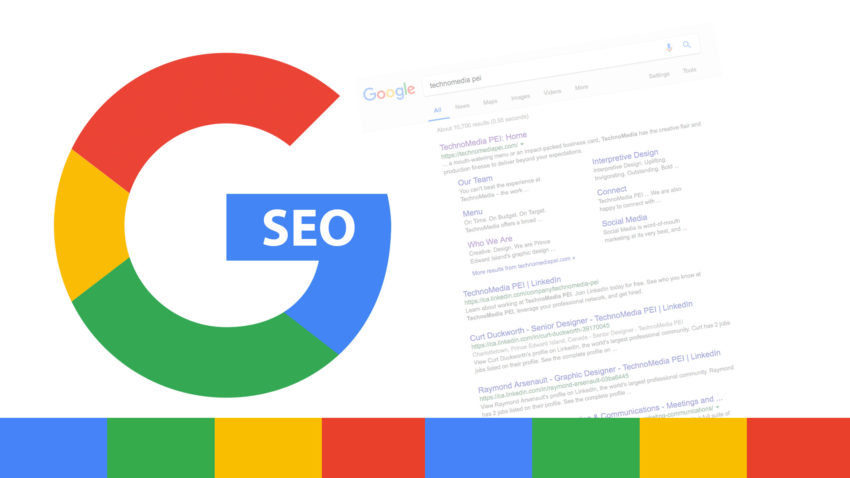


In today’s competitive online marketplace, Search Engine Optimization (SEO) is crucial for the success of any Shopify store. SEO helps your store rank higher in search engine results, driving more organic traffic and potential customers to your products. This comprehensive guide provides beginners with a step-by-step approach to mastering Shopify SEO, covering everything from keyword research to technical optimization.
Understanding the Basics of SEO for Shopify
SEO, at its core, is about optimizing your website to rank higher in search engine results pages (SERPs). For Shopify stores, this means making your products and website more visible to potential customers searching for related terms. Unlike paid advertising, SEO focuses on organic traffic, which is free and often more sustainable in the long run.
The major search engines, like Google, use algorithms to determine which websites to show for each search query. These algorithms consider numerous factors, including keywords, website structure, content quality, and backlinks. By understanding these factors, you can optimize your Shopify store to improve its rankings.
Keyword Research: Finding the Right Terms
Keyword research is the foundation of any successful SEO strategy. It involves identifying the terms and phrases that your target audience uses when searching for products or services like yours. By targeting these keywords, you can attract more relevant traffic to your Shopify store.
- Brainstorming: Start by brainstorming a list of potential keywords related to your products. Think about what your customers might search for.
- Using Keyword Research Tools: Tools like Google Keyword Planner, SEMrush, and Ahrefs can help you discover new keywords and analyze their search volume and competition.
- Analyzing Competitors: Look at what keywords your competitors are targeting. This can give you valuable insights into profitable keywords.
- Long-Tail Keywords: Focus on long-tail keywords (longer, more specific phrases) as they often have less competition and higher conversion rates. For example, instead of ‘running shoes,’ target ‘men’s waterproof trail running shoes.’
Once you’ve compiled a list of keywords, prioritize them based on relevance, search volume, and competition.
On-Page Optimization: Optimizing Your Shopify Pages
On-page optimization involves optimizing the content and HTML source code of your Shopify pages to improve their ranking in search results. Here are some key on-page optimization techniques:
- Title Tags: Each page should have a unique and compelling title tag that includes your primary keyword. Keep it under 60 characters to ensure it displays properly in search results.
- Meta Descriptions: Write a concise and engaging meta description that summarizes the content of the page. This can influence click-through rates from search results. Keep it under 160 characters.
- Header Tags (H1-H6): Use header tags to structure your content and highlight important topics. Use the H1 tag for the main heading of the page and subsequent tags for subheadings.
- URL Structure: Create clear and descriptive URLs that include your target keyword. For example, ‘yourstore.com/running-shoes’ is better than ‘yourstore.com/product?id=123’.
- Image Optimization: Optimize your product images by using descriptive file names and alt text. This helps search engines understand what the images are about and improves accessibility.
- Content Optimization: Create high-quality, informative, and engaging content that is relevant to your target audience. Use your target keywords naturally throughout the text.
Technical SEO: Ensuring a Search Engine-Friendly Website
Technical SEO focuses on improving the technical aspects of your Shopify store to make it easier for search engines to crawl and index your website. Here are some essential technical SEO tasks:
- Mobile Optimization: Ensure your Shopify store is mobile-friendly. Google prioritizes mobile-first indexing, so having a responsive design is crucial.
- Website Speed: Optimize your website’s loading speed. Slow-loading websites can negatively impact your search rankings and user experience. Use tools like Google PageSpeed Insights to identify and fix speed issues.
- XML Sitemap: Submit an XML sitemap to search engines. This helps them discover and index all of your website’s pages. Shopify automatically generates a sitemap; you just need to submit it through Google Search Console.
- Robots.txt File: Use a robots.txt file to control which pages search engines can crawl. This is especially important for excluding sensitive or irrelevant pages.
- Structured Data Markup: Implement structured data markup (Schema.org) to provide search engines with more information about your content. This can improve your website’s visibility in search results through rich snippets.
Link Building: Earning Authority and Credibility
Link building is the process of acquiring backlinks from other websites to your Shopify store. Backlinks are a signal to search engines that your website is authoritative and trustworthy.
- Create High-Quality Content: The best way to earn backlinks is to create valuable and informative content that other websites will want to link to.
- Guest Blogging: Write guest posts for other websites in your industry. Include a link back to your Shopify store in your author bio or within the content.
- Broken Link Building: Find broken links on other websites and offer to replace them with a link to your relevant content.
- Competitor Analysis: Analyze your competitors’ backlinks to identify potential link building opportunities.
Focus on acquiring backlinks from high-quality, relevant websites. A few strong backlinks are more valuable than many low-quality backlinks.
Mastering Shopify SEO is an ongoing process that requires consistent effort and attention. By implementing the strategies outlined in this guide, you can improve your store’s visibility in search results, attract more organic traffic, and ultimately drive more sales. Remember to stay up-to-date with the latest SEO best practices and continuously monitor your website’s performance to identify areas for improvement.

 By
By
 By
By