

In today’s competitive online marketplace, having a beautiful Shopify store isn’t enough. To truly succeed, you need to attract customers, and that starts with optimizing your store for search engines like Google. This beginner’s guide will walk you through the fundamental aspects of Shopify SEO, helping you increase your visibility, drive organic traffic, and ultimately boost your sales. Whether you’re a seasoned entrepreneur or just starting out, mastering these SEO basics will set you on the path to online success.
Understanding the Basics of SEO
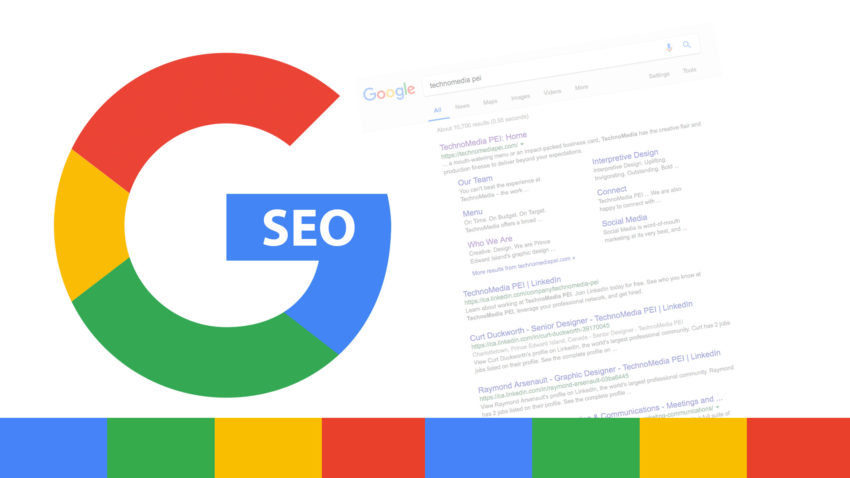
Search Engine Optimization (SEO) is the process of improving your website to increase its visibility when people search for products or services related to your business in Google, Bing, and other search engines. The better visibility your pages have in search results, the more likely you are to garner attention and attract prospective and existing customers to your business.
SEO involves several different strategies, including:
- Keyword Research: Identifying the terms your target audience uses when searching for products like yours.
- On-Page Optimization: Optimizing the content and structure of your website to make it search engine friendly.
- Off-Page Optimization: Building your website’s authority through backlinks and social media engagement.
- Technical SEO: Ensuring your website is technically sound and easily crawlable by search engines.
Keyword Research for Your Shopify Store
Keyword research is the foundation of any successful SEO strategy. It involves identifying the words and phrases your target audience uses when searching for products or information related to your business. Here’s how to get started:
- Brainstorm: Begin by brainstorming a list of keywords related to your products or services. Think about what terms customers might use to find what you’re selling.
- Use Keyword Research Tools: Tools like Google Keyword Planner, Ahrefs, SEMrush, and Moz Keyword Explorer can help you discover relevant keywords, analyze their search volume, and assess the competition.
- Analyze Competitors: Look at what keywords your competitors are targeting. This can give you valuable insights into potential keywords you may have overlooked.
- Focus on Long-Tail Keywords: Long-tail keywords are longer, more specific phrases that have lower search volume but higher conversion rates. For example, instead of ‘running shoes,’ try ‘best running shoes for flat feet.’
Once you’ve identified your target keywords, create a spreadsheet to organize them. Include information like search volume, competition, and relevance.
On-Page Optimization: Making Your Shopify Store SEO-Friendly
On-page optimization refers to the process of optimizing the content and structure of your website to make it search engine friendly. Here are some key areas to focus on:
- Title Tags: Each page on your Shopify store should have a unique and descriptive title tag that includes your target keywords. Keep it under 60 characters.
- Meta Descriptions: The meta description is a short summary of your page’s content that appears in search results. Write compelling meta descriptions that entice users to click. Keep it under 160 characters.
- Header Tags (H1-H6): Use header tags to structure your content and highlight important keywords. Use only one H1 tag per page.
- URL Structure: Create clean, descriptive URLs that include your target keywords. For example, ‘www.yourstore.com/running-shoes’ is better than ‘www.yourstore.com/product?id=123’.
- Image Optimization: Optimize your images by using descriptive file names, alt text, and compressing them to reduce file size.
- Content Optimization: Create high-quality, engaging content that is relevant to your target keywords. Focus on providing value to your visitors.
- Internal Linking: Link to other relevant pages on your website to improve navigation and spread link juice.
Technical SEO for Shopify: Ensuring a Smooth Experience
Technical SEO involves optimizing the technical aspects of your website to make it easier for search engines to crawl and index. Here are some key technical SEO considerations for your Shopify store:
- Mobile-Friendliness: Ensure your Shopify store is mobile-friendly. Google uses mobile-first indexing, meaning it primarily uses the mobile version of your website for indexing and ranking. Most modern Shopify themes are already mobile-responsive. Test your store with Google’s Mobile-Friendly Test tool.
- Website Speed: Page speed is a crucial ranking factor. Optimize your images, leverage browser caching, and use a content delivery network (CDN) to improve your website’s loading speed.
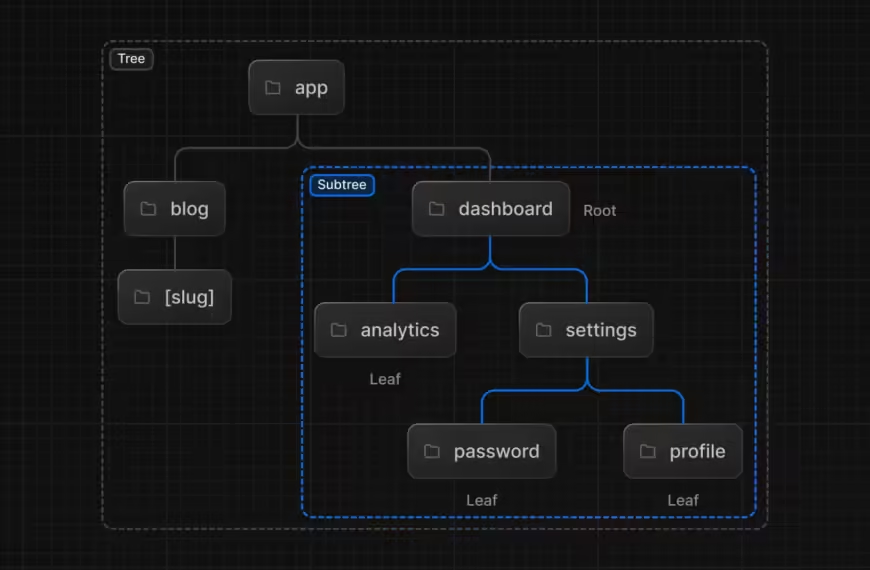
- Site Architecture: Create a clear and logical site architecture that makes it easy for users and search engines to navigate your website.
- Sitemap: Submit a sitemap to Google Search Console to help Google discover and index your website’s pages. Shopify automatically generates a sitemap for you.
- Robots.txt: Use a robots.txt file to control which pages search engines can crawl. Be careful not to block important pages.
- SSL Certificate: Make sure your Shopify store has an SSL certificate installed to secure your website and protect your customers’ data.
Using Shopify Apps for SEO
Several Shopify apps can help you automate and streamline your SEO efforts. Here are a few popular options:
- Plug in SEO: A comprehensive SEO app that offers keyword tracking, meta description optimization, and site audit features.
- SEO Booster: Helps optimize product pages, fix broken links, and submit sitemaps.
- SEO Manager: Provides keyword research tools, automatic meta tag generation, and image optimization features.
These apps can be valuable for saving time and improving your store’s SEO performance. However, remember that they are just tools, and you still need to understand the underlying SEO principles to use them effectively.
Optimizing your Shopify store for SEO is an ongoing process. By implementing the strategies outlined in this guide, you can improve your store’s visibility in search results, attract more organic traffic, and ultimately grow your business. Remember to stay up-to-date with the latest SEO trends and algorithm updates to maintain your competitive edge. Focus on providing value to your customers, and the search engines will reward you with higher rankings.

 By
By
 By
By