

In the competitive world of e-commerce, simply having a Shopify store isn’t enough. To truly succeed, your store needs to be visible to potential customers. That’s where Search Engine Optimization (SEO) comes in. While many focus on keyword research and content creation, a crucial aspect often overlooked is the technical health of your Shopify store. A technical SEO audit is a comprehensive evaluation of your website’s infrastructure, ensuring it’s easily crawlable and indexable by search engines like Google. This deep dive will equip you with the knowledge to conduct your own Shopify SEO audit and fix common technical issues that could be hindering your store’s performance in search results, ultimately driving more organic traffic and increasing sales.
Understanding the Importance of Technical SEO for Shopify
Technical SEO focuses on optimizing the underlying structure and code of your website to improve its visibility to search engines. It’s about ensuring that search engine crawlers can easily access, understand, and index your content. Think of it as building a strong foundation for your SEO efforts. Without a solid technical foundation, even the best content and keyword strategies may not yield the desired results.
Why is technical SEO so critical for Shopify stores?
- Improved Crawlability and Indexability: Search engines need to be able to easily find and understand your website’s content. Technical SEO ensures that your site structure, internal linking, and sitemap are optimized for efficient crawling.
- Enhanced User Experience: Technical SEO often overlaps with user experience (UX). A fast-loading, mobile-friendly website with a clear structure provides a better user experience, which is a ranking factor for search engines.
- Reduced Bounce Rate: A technically sound website is less likely to have broken links, slow loading times, or other issues that frustrate users and cause them to leave quickly.
- Increased Organic Traffic: By making your website more search engine-friendly, you increase its chances of ranking higher in search results, leading to more organic traffic.
Performing a Shopify SEO Audit: Key Areas to Examine
A thorough Shopify SEO audit involves examining various aspects of your store. Here’s a breakdown of the key areas to focus on:
- Crawlability and Indexability:
- Robots.txt File: This file tells search engine crawlers which pages or sections of your website to avoid crawling. Ensure that it’s properly configured and doesn’t block important pages.
- Sitemap.xml: A sitemap is a file that lists all the important pages on your website, helping search engines discover and index them. Verify that your sitemap is up-to-date and submitted to Google Search Console.
- Broken Links: Identify and fix any broken links (404 errors) on your website. Broken links create a negative user experience and can harm your SEO.
- Site Structure and Navigation:
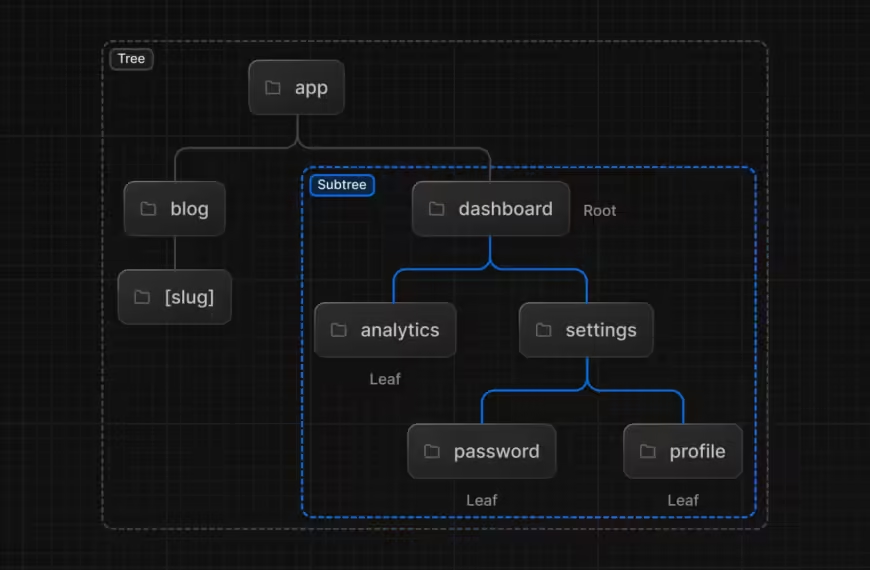
- Clear Hierarchy: Your website should have a clear and logical structure, making it easy for users and search engines to navigate.
- Internal Linking: Use internal links to connect relevant pages on your website. This helps search engines understand the context of your content and improves the flow of link juice.
- URL Structure: Use descriptive and keyword-rich URLs that are easy to understand.
- Mobile Optimization:
- Mobile-Friendly Design: Ensure that your Shopify store is fully responsive and provides a seamless experience on all devices.
- Mobile Page Speed: Optimize your website for mobile page speed, as mobile users expect fast loading times.
- Page Speed Optimization:
- Image Optimization: Compress images to reduce file sizes without sacrificing quality.
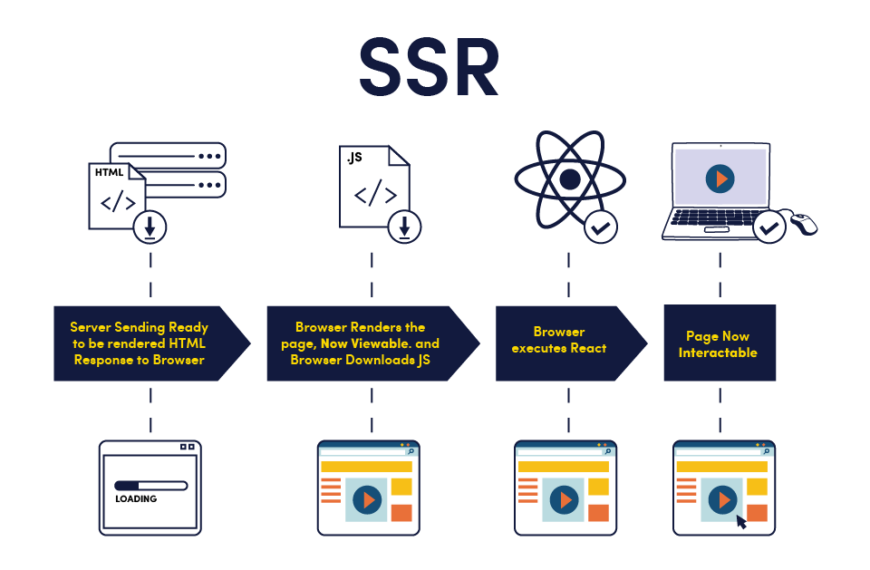
- Code Optimization: Minify CSS and JavaScript files to reduce page loading times.
- Browser Caching: Leverage browser caching to store static assets on users’ devices, reducing the need to download them repeatedly.
- Duplicate Content:
- Canonical Tags: Use canonical tags to specify the preferred version of a page if you have duplicate content.
- 301 Redirects: Use 301 redirects to permanently redirect users and search engines from old or duplicate pages to new ones.
- Structured Data Markup:
- Schema Markup: Implement schema markup to provide search engines with more information about your products, services, and business.
Tools for Conducting a Shopify SEO Audit
Several tools can assist you in performing a Shopify SEO audit:
- Google Search Console: A free tool from Google that provides valuable insights into your website’s performance in search results. Use it to identify crawl errors, submit your sitemap, and track your keyword rankings.
- Google Analytics: Another free tool from Google that allows you to track website traffic, user behavior, and conversions.
- PageSpeed Insights: A tool from Google that analyzes your website’s page speed and provides recommendations for improvement.
- GTmetrix: A website speed and performance analysis tool that provides detailed insights into your website’s loading times.
- SEMrush: A comprehensive SEO tool that offers features for keyword research, competitor analysis, site audits, and rank tracking.
- Ahrefs: Similar to SEMrush, Ahrefs provides a wide range of SEO tools, including site audits, backlink analysis, and keyword research.
- Screaming Frog SEO Spider: A desktop crawler that allows you to crawl your website and identify issues such as broken links, duplicate content, and missing meta descriptions.
Common Shopify SEO Issues and How to Fix Them
Here are some common technical SEO issues that Shopify store owners encounter and how to address them:
- Slow Page Speed:
- Issue: Slow loading times can frustrate users and negatively impact your search engine rankings.
- Solution: Optimize images, minify CSS and JavaScript, leverage browser caching, and consider using a content delivery network (CDN).
- Duplicate Content:
- Issue: Duplicate content can confuse search engines and dilute your website’s ranking power.
- Solution: Use canonical tags to specify the preferred version of a page and implement 301 redirects for old or duplicate pages.
- Poor Mobile Optimization:
- Issue: A non-responsive website can provide a poor user experience on mobile devices and hurt your search engine rankings.
- Solution: Ensure that your Shopify theme is fully responsive and optimize your website for mobile page speed.
- Broken Links:
- Issue: Broken links can frustrate users and negatively impact your website’s crawlability.
- Solution: Regularly scan your website for broken links and fix them as soon as possible.
- Missing or Incorrect Robots.txt File:
- Issue: An incorrectly configured robots.txt file can prevent search engines from crawling important pages on your website.
- Solution: Review your robots.txt file and ensure that it’s properly configured.
Conducting a Shopify SEO audit is a crucial step in ensuring that your store is visible to potential customers and performing at its best in search results. By addressing the technical aspects of your website, you can improve its crawlability, indexability, user experience, and ultimately, its ranking potential. Regularly performing audits and addressing any identified issues will help you stay ahead of the competition and drive more organic traffic to your Shopify store, leading to increased sales and business growth. Remember to use the right tools and stay up-to-date with the latest SEO best practices to achieve optimal results.

 By
By
 By
By