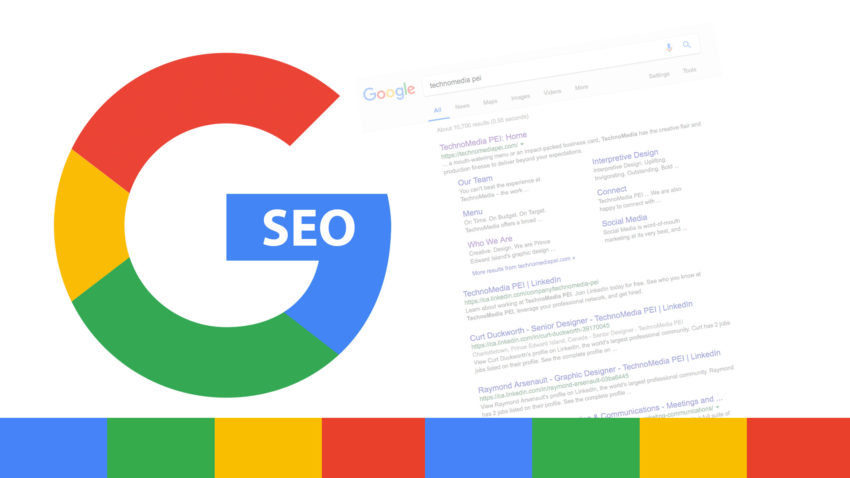

In the competitive world of eCommerce, having a beautifully designed Shopify store isn’t enough. You need potential customers to find you. That’s where Shopify SEO (Search Engine Optimization) comes in. Mastering Shopify SEO is crucial for driving organic traffic, increasing sales, and building a sustainable online business. This comprehensive guide will walk you through the essential steps to optimize your Shopify store for search engines like Google, helping you rank higher and attract more qualified customers.
1. Keyword Research: The Foundation of Shopify SEO
Keyword research is the cornerstone of any successful SEO strategy. It involves identifying the terms and phrases that your target audience uses when searching for products or services similar to yours. Understanding these keywords allows you to tailor your website content to match their search intent.
- Identify Your Niche: Clearly define what your store offers and who your target audience is.
- Brainstorm Relevant Keywords: List potential keywords related to your products, services, and niche. Think about what your customers would type into Google.
- Use Keyword Research Tools: Tools like Google Keyword Planner, SEMrush, Ahrefs, and Moz Keyword Explorer can help you discover high-volume, low-competition keywords. These tools provide data on search volume, keyword difficulty, and related keywords.
- Analyze Competitor Keywords: See what keywords your competitors are ranking for. This can reveal valuable opportunities.
- Long-Tail Keywords: Focus on long-tail keywords (longer, more specific phrases). These tend to have less competition and higher conversion rates. For example, instead of ‘running shoes,’ try ‘best running shoes for flat feet’.
2. Optimizing Your Shopify Store’s Site Structure
A well-structured website is crucial for both search engines and users. It makes it easier for Google to crawl and index your pages, and it improves the user experience, leading to higher engagement and lower bounce rates.
- Clear Navigation: Implement a clear and intuitive navigation menu that allows users to easily find what they’re looking for.
- Logical Category Structure: Organize your products into logical categories and subcategories. This helps search engines understand the relationship between your products.
- URL Structure: Use descriptive, keyword-rich URLs. Avoid using generic URLs like ‘product123’. For example, ‘www.yourstore.com/running-shoes/mens-blue-running-shoes’ is better than ‘www.yourstore.com/product123’.
- Internal Linking: Link relevant pages together within your website. This helps distribute link juice and improves the overall crawlability of your site. For instance, link from a blog post about running tips to your running shoe product pages.
- Sitemap Submission: Submit your sitemap to Google Search Console. This helps Google discover and index all of your pages.
3. Product Page Optimization: Turning Browsers into Buyers
Your product pages are the heart of your eCommerce store. Optimizing them for both search engines and conversions is essential for driving sales.
- Compelling Product Titles: Use keyword-rich and descriptive product titles. Include the main keyword, brand, and key features.
- Detailed Product Descriptions: Write unique and engaging product descriptions that highlight the benefits and features of your products. Avoid using manufacturer descriptions – create original content. Incorporate relevant keywords naturally.
- High-Quality Images and Videos: Use high-resolution images and videos to showcase your products. Optimize image file names and alt text with relevant keywords.
- Customer Reviews: Encourage customers to leave reviews. Reviews provide social proof and can improve your search rankings.
- Call to Action (CTA): Include clear and prominent CTAs, such as ‘Add to Cart,’ ‘Buy Now,’ or ‘Learn More.’
- Optimize Meta Descriptions: Craft compelling meta descriptions that entice users to click on your search result. Use relevant keywords and highlight the unique selling points of your product.
4. Building High-Quality Backlinks
Backlinks are links from other websites to your website. They are a crucial ranking factor for search engines. High-quality backlinks signal to Google that your website is a valuable and trustworthy resource.
- Guest Blogging: Write guest posts for other websites in your niche. Include a link back to your website in the author bio or within the content.
- Broken Link Building: Find broken links on other websites and offer to replace them with a link to your relevant content.
- Resource Pages: Create valuable resource pages on your website and promote them to other website owners.
- Outreach: Reach out to bloggers and journalists in your niche and ask them to review your products or feature your store.
- Participate in Industry Forums: Engage in relevant online communities and forums. Include a link to your website in your profile or signature.
Important Note: Focus on acquiring backlinks from reputable and relevant websites. Avoid participating in link schemes or buying backlinks, as this can harm your search rankings.
5. Optimizing Your Shopify Blog for SEO
A blog is a powerful tool for driving organic traffic to your Shopify store and establishing yourself as an authority in your niche.
- Keyword-Rich Content: Create high-quality, informative blog posts that target relevant keywords.
- Internal Linking: Link from your blog posts to your product pages and other relevant pages on your website.
- External Linking: Link to reputable external websites to provide context and support your arguments.
- Optimize Meta Tags: Optimize the title tags and meta descriptions of your blog posts.
- Promote Your Blog: Share your blog posts on social media and email newsletters.
6. Mobile Optimization: Ensuring a Seamless Mobile Experience
With the majority of online shoppers using mobile devices, it’s crucial to ensure that your Shopify store is fully optimized for mobile.
- Responsive Design: Use a responsive Shopify theme that adapts to different screen sizes.
- Fast Loading Speed: Optimize your website’s loading speed. Use tools like Google PageSpeed Insights to identify areas for improvement.
- Mobile-Friendly Navigation: Ensure that your navigation menu is easy to use on mobile devices.
- Touch-Friendly Design: Make sure that buttons and links are large enough and spaced appropriately for touchscreens.
- Optimize Images: Optimize images for mobile devices to reduce file size and improve loading speed.
Mastering Shopify SEO is an ongoing process that requires continuous effort and adaptation. By implementing the strategies outlined in this guide, you can improve your store’s visibility, attract more qualified customers, and ultimately drive more sales. Remember to stay up-to-date with the latest SEO best practices and monitor your results regularly. With dedication and a strategic approach, you can unlock the full potential of your Shopify store and achieve long-term success in the competitive world of eCommerce.

 By
By
 By
By