
In the competitive world of e-commerce, standing out from the crowd is crucial for success. While having a great product and a user-friendly store are important, they won’t matter much if potential customers can’t find you. That’s where Shopify SEO (Search Engine Optimization) comes in. This comprehensive guide will walk you through the essential steps to optimize your Shopify store for search engines like Google, helping you attract more organic traffic and ultimately boost your sales.
Understanding the Basics of Shopify SEO
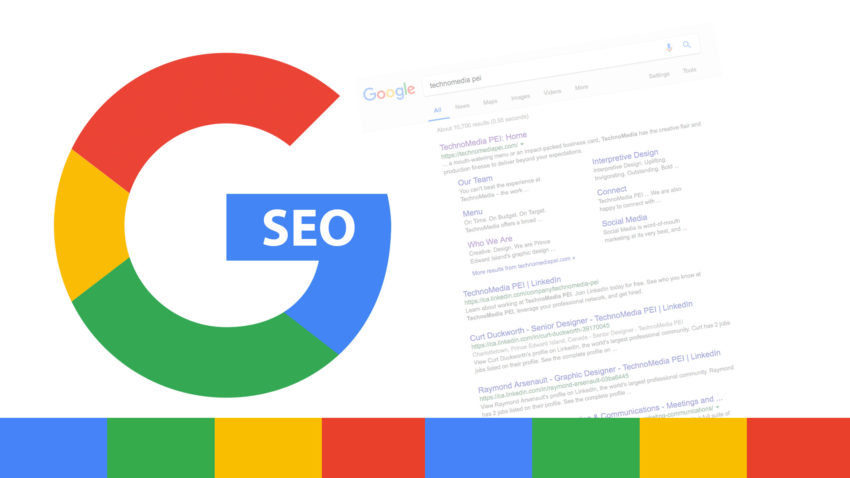
Shopify SEO is the process of optimizing your online store to rank higher in search engine results pages (SERPs) for relevant keywords. When someone searches for a product you sell, you want your store to appear as high as possible in the results. This visibility leads to more clicks, more traffic, and ultimately, more customers.
Key elements of Shopify SEO include:
- Keyword Research: Identifying the terms people use when searching for your products.
- On-Page Optimization: Optimizing your website’s content, including product descriptions, titles, and meta descriptions.
- Technical SEO: Ensuring your website is easily crawlable and indexable by search engines.
- Off-Page Optimization: Building your website’s authority through backlinks and other external signals.
By focusing on these elements, you can significantly improve your store’s visibility and attract a steady stream of organic traffic.
Keyword Research: Finding the Right Terms
Keyword research is the foundation of any successful SEO strategy. It involves identifying the words and phrases that your target customers are using when searching for products like yours. Understanding these keywords allows you to tailor your content and optimize your store for the terms that will drive the most relevant traffic.
Here’s how to conduct effective keyword research for your Shopify store:
- Brainstorm: Start by listing all the terms you think customers might use to find your products. Think about variations, synonyms, and related terms.
- Use Keyword Research Tools: Utilize tools like Google Keyword Planner, Ahrefs, SEMrush, and Moz Keyword Explorer to uncover valuable keyword data, including search volume and competition.
- Analyze Competitors: See what keywords your competitors are targeting. This can give you insights into potentially profitable terms you may have overlooked.
- Long-Tail Keywords: Focus on long-tail keywords (longer, more specific phrases) as they often have lower competition and can attract highly qualified traffic. For example, instead of ‘running shoes,’ target ‘best running shoes for marathon training.’
Once you’ve identified your target keywords, create a spreadsheet to organize them, including search volume, competition, and relevance to your products.
On-Page Optimization: Optimizing Your Content
On-page optimization involves optimizing the content on your website to improve its ranking in search results. This includes optimizing your product pages, collection pages, blog posts, and other content.
Key elements of on-page optimization for Shopify include:
- Product Titles: Use relevant keywords in your product titles. Make them clear, concise, and descriptive.
- Product Descriptions: Write detailed and engaging product descriptions that highlight the benefits of your products. Include relevant keywords naturally throughout the description.
- Meta Descriptions: Craft compelling meta descriptions that entice users to click on your listing in search results. Keep them under 160 characters and include a call to action.
- Image Alt Text: Add descriptive alt text to all your images. This helps search engines understand what the image is about and improves accessibility for visually impaired users.
- Header Tags (H1, H2, H3): Use header tags to structure your content and highlight important information. Use your target keywords in your header tags where appropriate.
- URL Structure: Create clean and descriptive URLs that include relevant keywords.
- Internal Linking: Link to other relevant pages on your website to improve navigation and help search engines understand your site’s structure.
By optimizing your content, you can make it more appealing to both search engines and potential customers.
Technical SEO: Ensuring Crawlability and Indexability
Technical SEO focuses on the technical aspects of your website that can affect its ranking in search results. This includes ensuring that your website is easily crawlable and indexable by search engines.
Key technical SEO elements for Shopify include:
- Website Speed: Optimize your website’s loading speed. Slow loading times can negatively impact your ranking and user experience. Use tools like Google PageSpeed Insights to identify and fix speed issues.
- Mobile-Friendliness: Ensure your website is mobile-friendly. With the majority of online traffic coming from mobile devices, having a responsive design is crucial.
- XML Sitemap: Submit an XML sitemap to Google Search Console. This helps search engines discover and index your website’s pages more efficiently.
- Robots.txt File: Use a robots.txt file to control which pages search engines can crawl.
- SSL Certificate: Ensure your website has an SSL certificate. This encrypts the data transmitted between your website and your users’ browsers, improving security and trust.
- Structured Data Markup: Implement structured data markup (schema markup) to provide search engines with more information about your website’s content.
By addressing these technical SEO issues, you can make it easier for search engines to crawl and index your website, improving its visibility in search results.
Off-Page Optimization: Building Authority
Off-page optimization involves building your website’s authority through external signals, such as backlinks, social media mentions, and brand mentions. Backlinks are links from other websites to your website. They are a crucial ranking factor, as they signal to search engines that your website is a valuable and trustworthy resource.
Here are some strategies for building high-quality backlinks to your Shopify store:
- Create High-Quality Content: Create valuable and informative content that other websites will want to link to.
- Guest Blogging: Write guest posts for other websites in your niche.
- Broken Link Building: Find broken links on other websites and offer to replace them with a link to your content.
- HARO (Help a Reporter Out): Respond to media inquiries and provide expert commentary in exchange for a backlink.
- Social Media: Promote your content on social media to increase its visibility and attract backlinks.
In addition to backlinks, social media mentions and brand mentions can also help to improve your website’s authority and visibility in search results.
Mastering Shopify SEO is an ongoing process that requires dedication and effort. By implementing the strategies outlined in this guide, you can significantly improve your store’s visibility in search results, attract more organic traffic, and ultimately boost your sales. Remember to continuously monitor your performance, adapt your strategies, and stay up-to-date with the latest SEO best practices. With a strategic approach, you can unlock the full potential of your Shopify store and achieve long-term success in the competitive world of e-commerce.

 By
By
 By
By