
In the competitive landscape of eCommerce, driving organic traffic to your Shopify store is crucial for sustainable growth. Search Engine Optimization (SEO) plays a pivotal role in achieving this. Mastering Shopify SEO involves understanding how search engines like Google crawl, index, and rank websites, and then optimizing your store accordingly. This comprehensive guide will equip you with the knowledge and strategies to boost your store’s visibility and attract more customers.
Understanding the Fundamentals of Shopify SEO
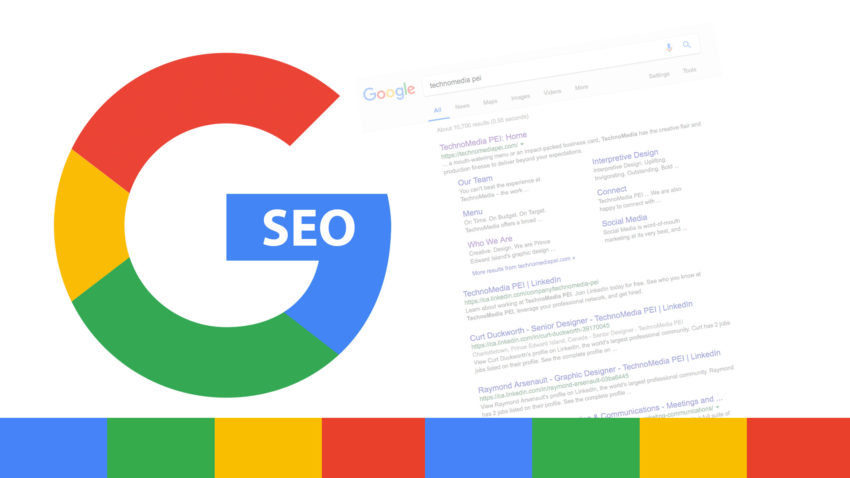
SEO is the process of optimizing your website to rank higher in search engine results pages (SERPs). For Shopify store owners, this means making your products and content easily discoverable by potential customers searching online. Key elements include:
- Keyword Research: Identifying the terms your target audience uses when searching for products like yours.
- On-Page Optimization: Optimizing individual web pages (product pages, blog posts, etc.) to rank higher and earn more relevant traffic in search engines.
- Technical SEO: Ensuring your website is technically sound and easily crawlable by search engine bots.
- Off-Page Optimization: Building your website’s authority through link building and other external factors.
Keyword Research: Finding the Right Terms
Effective keyword research is the foundation of any successful SEO strategy. It involves identifying the words and phrases your target audience uses when searching for products or information related to your niche. Here’s how to conduct keyword research for your Shopify store:
- Brainstorming: Start by listing the products you sell and the problems they solve. Think about the terms customers might use to find them.
- Using Keyword Research Tools: Utilize tools like Google Keyword Planner, Ahrefs, SEMrush, and Moz Keyword Explorer to discover relevant keywords and their search volumes.
- Analyzing Competitors: Examine the keywords your competitors are ranking for to identify potential opportunities.
- Long-Tail Keywords: Focus on long-tail keywords (longer, more specific phrases) as they often have less competition and higher conversion rates. For example, instead of ‘running shoes’, try ‘best running shoes for marathon training’.
Integrate these keywords naturally into your product titles, descriptions, and meta descriptions.
On-Page Optimization: Optimizing Your Product Pages
On-page optimization involves optimizing the elements of your website pages to improve their ranking in search results. Here are the key on-page factors to consider for your Shopify store:
- Product Titles: Use your primary keyword at the beginning of the product title. Keep it concise and descriptive.
- Product Descriptions: Write unique and engaging product descriptions that highlight the benefits and features of your products. Incorporate relevant keywords naturally.
- Meta Descriptions: Craft compelling meta descriptions that entice users to click on your search result. Include your primary keyword and a call to action.
- Image Optimization: Optimize your product images by using descriptive file names and alt text. This helps search engines understand what the images are about.
- URL Structure: Use clean and keyword-rich URLs for your product pages.
- Header Tags (H1, H2, H3): Use header tags to structure your content and highlight important keywords. Your product title should be wrapped in an
<h1>tag.
Technical SEO: Ensuring a Smooth User Experience
Technical SEO focuses on optimizing the technical aspects of your website to improve its crawlability and indexability. Here are some essential technical SEO tasks for your Shopify store:
- Site Speed: Optimize your website’s loading speed by compressing images, leveraging browser caching, and using a Content Delivery Network (CDN).
- Mobile-Friendliness: Ensure your Shopify theme is mobile-responsive and provides a seamless user experience on all devices.
- Site Architecture: Create a clear and logical site structure that makes it easy for users and search engines to navigate your store.
- XML Sitemap: Submit an XML sitemap to Google Search Console to help search engines discover and index your website’s pages.
- Robots.txt File: Use a robots.txt file to instruct search engine crawlers which pages to crawl and which to ignore.
- SSL Certificate: Ensure your website has an SSL certificate installed to secure your customers’ data and improve your search ranking.
- Fixing Broken Links: Regularly check for and fix broken links on your website to improve user experience and SEO.
Link Building: Building Authority and Trust
Link building is the process of acquiring backlinks from other websites to your own. Backlinks are a crucial ranking factor for search engines, as they indicate that other websites trust and value your content. Here are some effective link building strategies for your Shopify store:
- Guest Blogging: Write guest posts for other websites in your niche and include a link back to your Shopify store.
- Broken Link Building: Find broken links on other websites and offer to replace them with a link to your relevant content.
- Competitor Backlink Analysis: Analyze the backlinks of your competitors to identify potential link building opportunities.
- Creating High-Quality Content: Create valuable and shareable content that attracts backlinks naturally. Consider blog posts, infographics, and videos.
- Influencer Outreach: Reach out to influencers in your niche and ask them to review your products or feature your store on their website.
Mastering Shopify SEO is an ongoing process that requires continuous effort and adaptation. By implementing the strategies outlined in this guide, you can significantly improve your store’s visibility, attract more organic traffic, and ultimately increase your sales. Remember to track your progress, analyze your results, and adapt your SEO strategy as needed to stay ahead of the competition. Embrace SEO as a long-term investment in your store’s success.

 By
By
 By
By