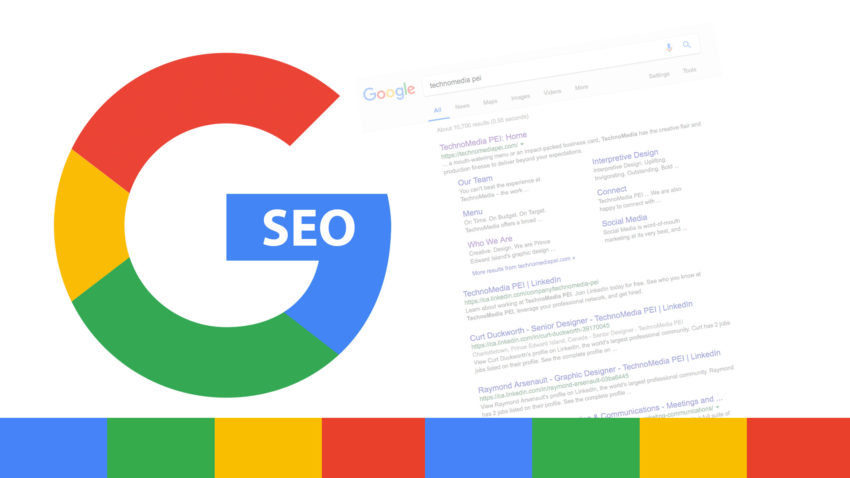

In today’s competitive online marketplace, having a beautiful Shopify store isn’t enough. You need to ensure your target audience can find you. This is where Search Engine Optimization (SEO) comes into play. SEO is the process of optimizing your website and content to rank higher in search engine results pages (SERPs) like Google, Bing, and Yahoo. A higher ranking translates to more visibility, increased organic traffic, and ultimately, more sales. This article will provide a comprehensive guide to implementing effective SEO strategies specifically tailored for your Shopify store, enabling you to attract more customers and grow your business.
Keyword Research: The Foundation of Your SEO Strategy
Keyword research is the cornerstone of any successful SEO campaign. It involves identifying the terms and phrases your target customers are using when searching for products like yours. By understanding these keywords, you can optimize your store and content to match their search intent.
- Brainstorming: Start by brainstorming a list of keywords related to your products. Think about the different ways people might search for what you offer.
- Keyword Research Tools: Utilize keyword research tools like Google Keyword Planner, Ahrefs, SEMrush, and Moz Keyword Explorer to discover high-volume, low-competition keywords. These tools provide data on search volume, keyword difficulty, and related keywords.
- Analyze Competitors: Examine your competitors’ websites to identify the keywords they are targeting. This can give you valuable insights into potential keywords for your own store.
- Long-Tail Keywords: Focus on long-tail keywords, which are longer, more specific phrases. These keywords often have lower search volume but higher conversion rates because they target a very specific need.
On-Page SEO: Optimizing Your Shopify Store
On-page SEO refers to optimizing the elements within your website to improve its search engine rankings. Here’s how to optimize key areas of your Shopify store:
- Product Titles: Craft compelling and keyword-rich product titles. Include your primary keyword and a descriptive element to attract clicks.
- Product Descriptions: Write unique, informative, and engaging product descriptions that incorporate relevant keywords. Avoid using generic descriptions provided by manufacturers. Instead, focus on the benefits of the product and how it solves a customer’s problem.
- Meta Descriptions: Optimize your meta descriptions to entice users to click on your search result. Include a compelling call to action and relevant keywords. Remember that Google may sometimes generate its own meta descriptions, but providing a well-written one increases your chances of it being used.
- Image Optimization: Optimize your product images by using descriptive file names and alt tags. Alt tags are crucial for accessibility and provide search engines with context about the image. Use relevant keywords in your alt tags.
- Header Tags (H1-H6): Use header tags to structure your content and highlight important information. Use your primary keyword in your H1 tag on each page.
- URL Structures: Create SEO-friendly URL structures that are short, descriptive, and include relevant keywords.
Technical SEO: Ensuring a Search Engine-Friendly Website
Technical SEO involves optimizing the technical aspects of your website to make it easier for search engines to crawl and index. Key technical SEO elements for Shopify include:
- Site Speed: Optimize your website’s loading speed by compressing images, leveraging browser caching, and using a Content Delivery Network (CDN). Site speed is a crucial ranking factor.
- Mobile-Friendliness: Ensure your Shopify store is mobile-friendly and responsive. Google prioritizes mobile-first indexing, meaning it primarily uses the mobile version of a website for indexing and ranking.
- XML Sitemap: Submit an XML sitemap to Google Search Console to help search engines discover and index your website’s pages. Shopify automatically generates a sitemap for you (usually at yourdomain.com/sitemap.xml).
- Robots.txt File: Use a robots.txt file to instruct search engine crawlers which pages to crawl and which to ignore.
- HTTPS: Ensure your website is secure with HTTPS. SSL certificates are a ranking signal and build trust with customers.
- Structured Data Markup: Implement structured data markup (schema markup) to provide search engines with more information about your products and content. This can enhance your search results with rich snippets, such as product ratings and prices.
Content Marketing: Creating Valuable and Engaging Content
Content marketing involves creating and distributing valuable, relevant, and consistent content to attract and engage your target audience. This can help improve your search engine rankings and establish your brand as an authority in your niche.
- Blog Posts: Create informative and engaging blog posts that address your target audience’s needs and interests. Focus on topics related to your products and industry.
- Guides and Tutorials: Develop comprehensive guides and tutorials that provide valuable information and demonstrate your expertise.
- Infographics: Create visually appealing infographics that present complex information in an easy-to-understand format.
- Videos: Produce engaging videos that showcase your products, provide tutorials, or share customer testimonials.
- Case Studies: Share case studies that highlight how your products have helped customers solve their problems.
Remember to optimize your content with relevant keywords and promote it across your social media channels.
Link Building: Earning High-Quality Backlinks
Link building involves acquiring backlinks (links from other websites to your website) to improve your website’s authority and search engine rankings. Backlinks are a crucial ranking factor, as they signal to search engines that your website is a valuable resource.
- Guest Blogging: Write guest posts for other websites in your niche and include a link back to your Shopify store.
- Broken Link Building: Find broken links on other websites and offer to replace them with a link to your relevant content.
- Resource Link Building: Create valuable resources, such as guides and tools, that other websites will want to link to.
- Competitor Link Analysis: Analyze your competitors’ backlinks to identify potential link building opportunities.
- Outreach: Reach out to relevant websites and bloggers and ask them to link to your content.
Focus on acquiring backlinks from high-quality, authoritative websites in your niche.
Implementing a comprehensive SEO strategy for your Shopify store is an ongoing process. By focusing on keyword research, on-page SEO, technical SEO, content marketing, and link building, you can significantly improve your website’s visibility, attract more organic traffic, and ultimately, drive more sales. Regularly monitor your website’s performance using tools like Google Analytics and Google Search Console to identify areas for improvement and adapt your strategy as needed. With consistent effort and dedication, you can achieve significant SEO success and grow your Shopify business.

 By
By
 By
By