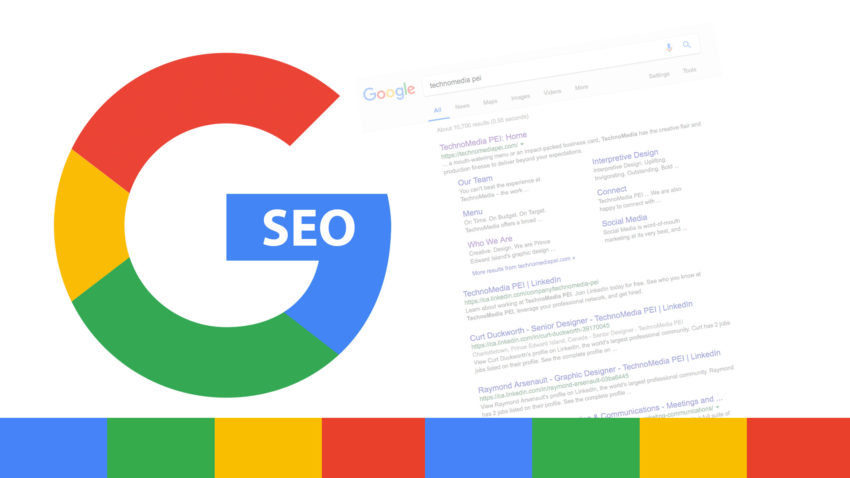

Starting a Shopify store is an exciting venture, but simply having great products isn’t enough. To truly succeed, you need to ensure potential customers can find your store online. That’s where Search Engine Optimization (SEO) comes in. SEO is the process of optimizing your website to rank higher in search engine results pages (SERPs), like Google, Bing, and Yahoo. This guide provides essential Shopify SEO tips for beginners, helping you lay a solid foundation for long-term online visibility and driving organic traffic to your store. We’ll cover everything from keyword research to on-page optimization, and technical SEO, all tailored specifically for the Shopify platform. Let’s get started!
Keyword Research: Finding the Right Terms
Keyword research is the cornerstone of any successful SEO strategy. It involves identifying the terms and phrases your target audience uses when searching for products or services like yours. Understanding these keywords allows you to optimize your Shopify store to match search intent and improve your chances of ranking higher.
How to Conduct Keyword Research for Shopify:
- Brainstorming: Start by brainstorming relevant keywords related to your products. Think about what your customers would type into Google to find what you offer.
- Competitor Analysis: Analyze your competitors’ websites to see which keywords they are targeting. Tools like SEMrush, Ahrefs, and Moz can help you uncover their top-ranking keywords.
- Keyword Research Tools: Utilize free and paid keyword research tools like Google Keyword Planner, Ubersuggest, and AnswerThePublic to find more keyword ideas and analyze their search volume and competition.
- Long-Tail Keywords: Focus on long-tail keywords, which are longer and more specific phrases. While they may have lower search volume, they often have higher conversion rates because they target a more specific audience. Example: Instead of ‘coffee beans,’ try ‘organic fair trade coffee beans online’.
On-Page SEO: Optimizing Your Product Pages
On-page SEO involves optimizing the elements within your Shopify store’s pages to improve their relevance and ranking. This includes optimizing product titles, descriptions, images, and more.
Key On-Page SEO Elements for Shopify:
- Product Titles: Use relevant keywords in your product titles. Keep titles concise (under 60 characters) and descriptive.
- Product Descriptions: Write unique and compelling product descriptions that highlight the benefits of your products and include relevant keywords. Avoid duplicate content.
- Image Optimization: Optimize your product images by using descriptive file names (e.g., ‘organic-cotton-t-shirt.jpg’) and alt text that includes relevant keywords. Compress images to reduce file size and improve page loading speed.
- Meta Descriptions: Craft compelling meta descriptions (under 160 characters) that entice users to click on your search result. Include relevant keywords and a clear call to action.
- Header Tags (H1-H6): Use header tags to structure your content and highlight important information. Use H1 for the main title of the page, and H2-H6 for subheadings.
- Internal Linking: Link to other relevant pages within your Shopify store to improve navigation and distribute link juice.
Technical SEO: Ensuring a Search Engine-Friendly Store
Technical SEO focuses on the backend aspects of your website that affect its crawlability and indexability by search engines. Optimizing technical SEO can improve your store’s overall performance and visibility.
Essential Technical SEO Tips for Shopify:
- Mobile-Friendliness: Ensure your Shopify store is mobile-friendly and responsive. Google prioritizes mobile-first indexing, so a mobile-optimized site is crucial.
- Site Speed: Optimize your store’s loading speed by compressing images, using a Content Delivery Network (CDN), and minimizing HTTP requests.
- XML Sitemap: Submit an XML sitemap to Google Search Console to help Google crawl and index your store’s pages more efficiently.
- Robots.txt: Use a robots.txt file to instruct search engine crawlers which pages to crawl or ignore.
- Structured Data Markup: Implement structured data markup (Schema.org) to provide search engines with more information about your products and services. This can enhance your search results with rich snippets.
- SSL Certificate: Ensure your store has an SSL certificate (HTTPS) to encrypt data and provide a secure browsing experience.
Shopify SEO Apps: Tools to Help You Optimize
Several Shopify apps can help you streamline your SEO efforts and automate various tasks. Here are a few popular options:
- SEO Manager: A comprehensive SEO app that helps you optimize meta tags, alt text, and more.
- Plug in SEO: Another popular SEO app that offers automated SEO audits and optimization suggestions.
- Crush.pics: An image optimization app that automatically compresses images to improve page loading speed.
- JSON-LD for SEO: An app that simplifies the process of implementing structured data markup.
Consider trying out a few different apps to see which ones best suit your needs and workflow.
Measuring and Tracking Your SEO Performance
It’s essential to track your SEO performance to see what’s working and what’s not. This allows you to make data-driven decisions and refine your strategy.
Key Metrics to Track:
- Organic Traffic: Monitor the amount of traffic coming to your store from search engines.
- Keyword Rankings: Track your keyword rankings in search engine results pages.
- Conversion Rates: Measure the conversion rates of your organic traffic.
- Bounce Rate: Analyze your bounce rate to identify pages that may need improvement.
Use Google Analytics and Google Search Console to track these metrics and gain insights into your SEO performance.
By implementing these essential Shopify SEO tips, you can significantly improve your store’s visibility and attract more organic traffic. Remember that SEO is an ongoing process, so it’s important to stay up-to-date with the latest best practices and continuously optimize your store. With consistent effort and a data-driven approach, you can achieve long-term success with your Shopify store.

 By
By
 By
By